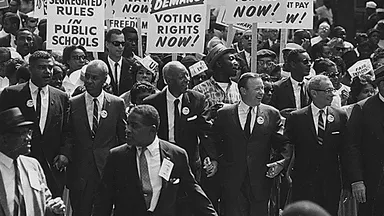
One person, one vote does not produce one person, one unit of political influence. Organized minorities shape agendas, candidates, and attention between elections—for better and for worse.
ஒரு மனிதன், ஒரு வாக்கு என்பது ஒரு மனிதன், ஒரு அலகு அரசியல் செல்வாக்கு என்ற முடிவைத் தருவதில்லை. தேர்தல்களுக்கு இடைப்பட்ட காலத்தில் தீவிரமாக ஒழுங்கமைக்கப்பட்ட சிறுபான்மையினரே நிகழ்ச்சி நிரல்களையும் முடிவுகளையும் தீர்மானிக்கிறார்கள்.
Western intervention has been justified for decades on the premise that removing a bad regime creates room for a good one. A study of seventy twentieth-century regime changes found targets ended up no more likely to reach consolidated democracy than comparable states left alone — and identified exactly which conditions decide it.
மோசமான ஓர் ஆட்சியை அகற்றிவிட்டால் மக்களாட்சி மலர்ந்துவிடும் என்ற அனுமானத்தின் அடிப்படையிலேயே பல மேற்கத்திய இராணுவத் தலையீடுகள் நியாயப்படுத்தப்பட்டன. இருபதாம் நூற்றாண்டின் எழுபது ஆட்சி மாற்றங்களை ஆய்வு செய்தபோது உண்மை வேறாக இருந்தது.
The absence of a 2G-scale scandal is usually read as evidence that things improved. But the concentration measures kept rising through the quiet years, and the largest political-funding channel of the period was anonymous by statute — which is exactly why it never produced a scandal.
2G போன்ற மாபெரும் ஊழல்கள் இல்லாததால் நிலைமை சீரடைந்துவிட்டது என்று கருதப்படுகிறது. ஆனால் அமைதியான அந்த ஆண்டுகளில் கார்ப்பரேட் சொத்துக் குவிப்பு அதிகரித்தது; தேர்தல் பத்திரங்கள் சட்டப்பூர்வமாகவே ரகசியமாக்கப்பட்டன.
electionsevidencegovernanceindia
மேலும் வாசிக்க →
Political ScienceFebruary 24, 20266 min readEvergreen
Two governments can both fail, two claims can both be wrong, and two systems can both constrain people—without being equally false, harmful, powerful, or correctable.
இரு அரசாங்கங்களும் தோல்வியடையலாம், இரு கூற்றுகளும் தவறாக இருக்கலாம் — ஆனால் அவை சமமான அளவிற்குப் பொய்யானவை, சமமான தீங்கிழைப்பவை அல்லது சமமாகத் திருத்தப்படக்கூடியவை என்று அர்த்தமாகாது.
Explore the intricate dance of power across micro, meso, and macro levels. This post delves into how individual and family dynamics intertwine with institutional structures and broader societal forces, creating complex feedback loops that shape our world.
நுண்ணிய, இடைநிலை மற்றும் பேரியல் மட்டங்களில் அதிகாரம் எவ்வாறு பிணைந்துள்ளது என்பதை ஆராய்கிறது இக்கட்டுரை. தனிநபர் மற்றும் குடும்ப இயக்கவியல் எவ்வாறு நிறுவன அமைப்புகளுடனும் பரந்த சமூக சக்திகளுடனும் இணைந்து உலகை வடிவமைக்கும் பின்னூட்ட வளையங்களை உருவாக்குகின்றன என்பதை விளக்குகிறது.