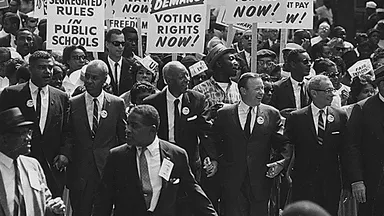
A movement can become more radical without every activist becoming more radical. When ideological misfits leave, committed members remain and public platforms reward escalating displays, the composition and visible voice of the group change together.
One person, one vote does not produce one person, one unit of political influence. Organized minorities shape agendas, candidates, and attention between elections—for better and for worse.
ஒரு மனிதன், ஒரு வாக்கு என்பது ஒரு மனிதன், ஒரு அலகு அரசியல் செல்வாக்கு என்ற முடிவைத் தருவதில்லை. தேர்தல்களுக்கு இடைப்பட்ட காலத்தில் தீவிரமாக ஒழுங்கமைக்கப்பட்ட சிறுபான்மையினரே நிகழ்ச்சி நிரல்களையும் முடிவுகளையும் தீர்மானிக்கிறார்கள்.
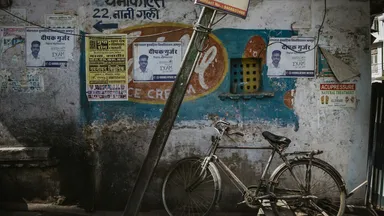
Fan clubs offer an organizational route from cinema to politics. This essay examines that route in Tamil Nadu while keeping Hungarian measures of celebrity involvement separate from claims about Tamil audiences.
திரைப் புகழை அரசியல் செயல்பாடாக மாற்றுவதில் ரசிகர் அமைப்புகளுக்குப் பங்கு உண்டு. தமிழகத்தின் இந்த அமைப்பு வழியை ஆராயும் கட்டுரை, அங்கேரிய ரசிகர் ஈடுபாட்டு அளவீடுகளிலிருந்து தமிழ் ரசிகர்களைப் பற்றிய முடிவுகளைப் பிரித்துப் பார்க்கிறது.
An atheist father raises a devout son. A staunchly partisan household produces the opposite voter. The popular explanation reaches for rebellion and algorithms. The research points somewhere more specific — and considerably less dramatic.
நாத்திகத் தந்தைக்குப் பிறக்கும் தீவிர பக்தியுள்ள மகன்; ஒரு குறிப்பிட்ட கட்சியைத் தீவிரமாக ஆதரிக்கும் வீட்டில் எதிர்க் கட்சிக்கு வாக்களிக்கும் பிள்ளை. இது வெறும் பதின்ம வயதின் முரட்டுத்தனமா அல்லது ஆழமான உளவியல் வழிமுறையா?
Elections can remove entrenched rulers and create accountability. But anti-corruption reform begins only when winners change the rules, incentives, and institutions that will also constrain their successors.
தேர்தல்கள் அதிகாரக் குவிப்பை உடைத்து பொறுப்புக்கூறலை உருவாக்க முடியும். ஆனால் ஊழல் எதிர்ப்புச் சீர்திருத்தம் என்பது வெற்றி பெறுபவர்கள் தமக்கு அடுத்தும் நீடிக்கக்கூடிய நிறுவனக் கட்டுப்பாடுகளை உருவாக்கும் போதே தொடங்குகிறது.
campaignselectionsgovernanceindian politics
மேலும் வாசிக்க →
Political ScienceFebruary 24, 20266 min readEvergreen
Two governments can both fail, two claims can both be wrong, and two systems can both constrain people—without being equally false, harmful, powerful, or correctable.
இரு அரசாங்கங்களும் தோல்வியடையலாம், இரு கூற்றுகளும் தவறாக இருக்கலாம் — ஆனால் அவை சமமான அளவிற்குப் பொய்யானவை, சமமான தீங்கிழைப்பவை அல்லது சமமாகத் திருத்தப்படக்கூடியவை என்று அர்த்தமாகாது.