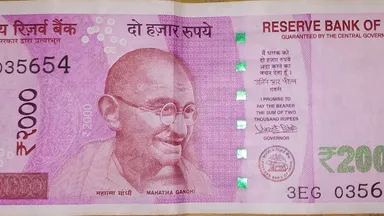
India’s GDP controversy is not a choice between trusting every official number and declaring fraud. The record shows legitimate modernization, fragile estimates, and a 2018 process that damaged statistical credibility.
இந்தியாவின் ஜிடிபி சர்ச்சை என்பது அதிகாரப்பூர்வ எண்களை அப்படியே நம்புவதற்கும் மோசடி என்று அறிவிப்பதற்கும் இடையிலான தேர்வு அல்ல. முறையான நவீனமயமாக்கல் மற்றும் நம்பகத்தன்மையை பாதித்த அரசியல் முடிவுகளின் உண்மை.
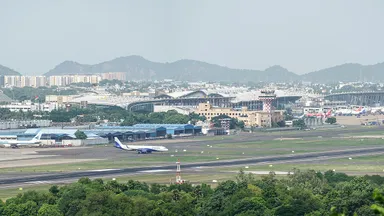
Parandur beat Chennai's other shortlisted airport sites on airspace, land and obstacles. But its environmental and social risks were never tested on the same terms—and expanding Meenambakkam is only a bridge, not yet a replacement.
வான்வெளி, நிலப்பரப்பு மற்றும் தடைகளின் அடிப்படையில் சென்னைக்கான மாற்றுத் தளங்களை விட பரந்தூர் முன்னணியில் நின்றது. ஆனால் அதன் சுற்றுச்சூழல் மற்றும் சமூக ஆபத்துகள் அதே சமரசமற்ற அளவுகோல்களுடன் ஒருபோதும் பரிசோதிக்கப்படவில்லை—மீனம்பாக்கத்தை விரிவாக்குவது ஒரு தற்காலிக பாலமே தவிர நிரந்தர மாற்றல்ல.
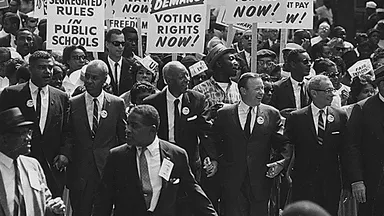
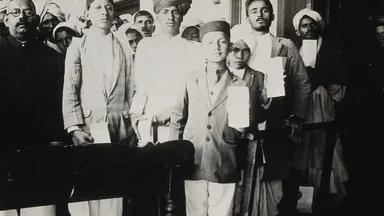
One person, one vote does not produce one person, one unit of political influence. Organized minorities shape agendas, candidates, and attention between elections—for better and for worse.
ஒரு மனிதன், ஒரு வாக்கு என்பது ஒரு மனிதன், ஒரு அலகு அரசியல் செல்வாக்கு என்ற முடிவைத் தருவதில்லை. தேர்தல்களுக்கு இடைப்பட்ட காலத்தில் தீவிரமாக ஒழுங்கமைக்கப்பட்ட சிறுபான்மையினரே நிகழ்ச்சி நிரல்களையும் முடிவுகளையும் தீர்மானிக்கிறார்கள்.
Explore India's "foreign hand" playbook, a three-step government response to mass protests: delegitimization, financial chokeholds, and leadership arrests. This pattern has been applied across various movements, from anti-CAA protests to farmers' agitations.
மக்கள் போராட்டங்களை ஒடுக்க இந்திய அரசுகள் பயன்படுத்தும் 'அந்நியச் சதி' உத்தியை இக்கட்டுரை ஆராய்கிறது: போராட்டத்தை சட்டவிரோதமாக்குதல், நிதி முடக்கம் மற்றும் தலைவர்கள் கைது என்ற சுழற்சி.
Western intervention has been justified for decades on the premise that removing a bad regime creates room for a good one. A study of seventy twentieth-century regime changes found targets ended up no more likely to reach consolidated democracy than comparable states left alone — and identified exactly which conditions decide it.
மோசமான ஓர் ஆட்சியை அகற்றிவிட்டால் மக்களாட்சி மலர்ந்துவிடும் என்ற அனுமானத்தின் அடிப்படையிலேயே பல மேற்கத்திய இராணுவத் தலையீடுகள் நியாயப்படுத்தப்பட்டன. இருபதாம் நூற்றாண்டின் எழுபது ஆட்சி மாற்றங்களை ஆய்வு செய்தபோது உண்மை வேறாக இருந்தது.
India did not uniformly regress after 2014. It expanded basic access and sustained growth, but productive jobs, manufacturing, learning, distribution, and democratic correction did not keep pace with its development opportunity.
2014-க்குப் பிறகு இந்தியா முழுமையாகப் பின்னோக்கிச் சென்றுவிடவில்லை. அடிப்படை வசதிகளும் வளர்ச்சியும் தொடர்ந்தன; ஆனால் உற்பத்தி வேலைகள், தொழில்மயமாக்கல், கல்வித் தரம், பகிர்வு மற்றும் ஜனநாயகக் கண்காணிப்பு ஆகியவை இந்தியாவின் வாய்ப்புகளுக்கு ஈடுகொடுக்கவில்லை.
Registered atrocity cases against Dalits rose sharply in Tamil Nadu between 2019 and 2023. The number matters—but it cannot, by itself, tell us whether violence, reporting, registration, or all three changed.
2019 மற்றும் 2023-க்கு இடையில் தமிழ்நாட்டில் தலித்துகளுக்கு எதிரான வன்கொடுமை வழக்குகள் கூர்மையாக உயர்ந்தன. ஆனால் அந்த எண் வன்முறையா, புகாரளிக்கும் துணிவா அல்லது காவல்துறை பதிவா என்பதைத் தானாகச் சொல்லாது.
The absence of a 2G-scale scandal is usually read as evidence that things improved. But the concentration measures kept rising through the quiet years, and the largest political-funding channel of the period was anonymous by statute — which is exactly why it never produced a scandal.
2G போன்ற மாபெரும் ஊழல்கள் இல்லாததால் நிலைமை சீரடைந்துவிட்டது என்று கருதப்படுகிறது. ஆனால் அமைதியான அந்த ஆண்டுகளில் கார்ப்பரேட் சொத்துக் குவிப்பு அதிகரித்தது; தேர்தல் பத்திரங்கள் சட்டப்பூர்வமாகவே ரகசியமாக்கப்பட்டன.
Elections can remove entrenched rulers and create accountability. But anti-corruption reform begins only when winners change the rules, incentives, and institutions that will also constrain their successors.
தேர்தல்கள் அதிகாரக் குவிப்பை உடைத்து பொறுப்புக்கூறலை உருவாக்க முடியும். ஆனால் ஊழல் எதிர்ப்புச் சீர்திருத்தம் என்பது வெற்றி பெறுபவர்கள் தமக்கு அடுத்தும் நீடிக்கக்கூடிய நிறுவனக் கட்டுப்பாடுகளை உருவாக்கும் போதே தொடங்குகிறது.
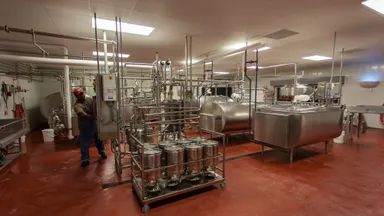
India's small farms need sophisticated testing, chilling, packing, transport, and market access. They do not all need to become large farms. The better development question is which functions require scale—and who should own them.
இந்தியாவின் சிறு பண்ணைகளுக்குத் தரப்பரிசோதனை, குளிரூட்டல், சிப்பமிடுதல், போக்குவரத்து மற்றும் சந்தை அணுகல் ஆகியவை தேவை. அதற்காக எல்லாப் பண்ணைகளும் பெரிய நிலங்களாக மாற வேண்டியதில்லை. எந்தச் செயல்பாடுகளுக்குப் பெரிய கட்டமைப்பு தேவை என்பதைத் தீர்மானிப்பதே சிறந்தது.
Calling rabies preventable can hide the work prevention requires: vaccinated dogs, immediate wound care, stocked clinics, correct treatment, repeat visits, and surveillance that joins them together.
வெறிநாய்க்கடியைத் 'தடுக்கக்கூடியது' என்று அழைப்பது அத்தடுப்பு கோரும் பெரும் பணிகளை மறைத்துவிடக்கூடும்: தடுப்பூசி போடப்பட்ட நாய்கள், உடனடி காயப் பராமரிப்பு, மருந்தக இருப்பு மற்றும் கண்காணிப்பு.
governanceindiapublic healthsocial issues
மேலும் வாசிக்க →
Political ScienceMarch 5, 202611 min readEvergreen
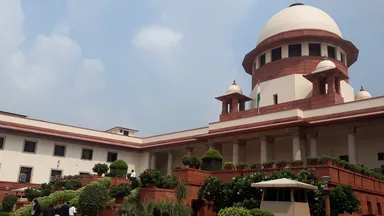
Comparing free-speech regimes by reading their constitutions gets you the wrong answer. India's enumerated restrictions are not far from Germany's, and further from America's. The difference that matters is that a struck-down provision produced twice as many cases after it was struck down as before.
அரசியல் சாசனங்களை வாசிப்பதன் மூலம் பேச்சுரிமை அமைப்புகளை ஒப்பிடுவது தவறான விடையையே தரும். ரத்து செய்யப்பட்ட ஒரு சட்டப்பிரிவு, ரத்து செய்யப்படுவதற்கு முன்பு இருந்ததை விட ரத்து செய்யப்பட்ட பிறகு இரு மடங்கு வழக்குகளை உருவாக்கியது.
Two official figures for the same year differ by five percentage points, and each side quotes the one that suits it. The more interesting number is that Tamil Nadu collects 10.4% of GSDP in revenue where a median state collects 19.9% — and has pushed subsidies from roughly 8% of spending to 37% in four years.
ஒரே ஆண்டிற்குரிய இரு அதிகாரப்பூர்வ புள்ளிவிவரங்கள் ஐந்து சதவீதப் புள்ளிகள் வேறுபடுகின்றன. ஒவ்வொரு தரப்பும் தங்களுக்கு சாதகமானதை மட்டுமே மேற்கோள் காட்டுகின்றன. ஆனால் சராசரி மாநிலம் 19.9% வருவாய் ஈட்டும் போது, தமிழ்நாடு 10.4% மட்டுமே திரட்டுகிறது; மானியச் செலவோ நான்கே ஆண்டுகளில் 8%-லிருந்து 37%-ஆக உயர்ந்துள்ளது.
This analysis compares development in Tamil Nadu (DMK) and Gujarat (BJP) across economic growth, social welfare, health, education, and infrastructure. It highlights their distinct governance models and their impact on state progress.
பொருளாதார வளர்ச்சி, சமூக நலம், சுகாதாரம், கல்வி மற்றும் உள்கட்டமைப்பு தளங்களில் தமிழ்நாட்டின் (திமுக) மற்றும் குஜராத்தின் (பாஜக) நிர்வாக மாதிரிகளை ஒப்பிடும் விரிவான பகுப்பாய்வு. இது அவற்றின் தனித்துவமான நிர்வாக முறைகளையும் மாநில முன்னேற்றத்தில் அவற்றின் தாக்கத்தையும் விளக்குகிறது.
உத்தரப் பிரதேசத்தில் யோகி ஆதித்யநாத்தின் 8 ஆண்டு கால ஆட்சியை இக்கட்டுரை ஆராய்கிறது: குற்றக் குறைப்பு மற்றும் கட்டமைப்பு வளர்ச்சியுடன், குடிமை உரிமைகள் மற்றும் சிறுபான்மையினர் மீதான கவலைகள்.
economic developmentgovernancehuman rightsindia
மேலும் வாசிக்க →
Political ScienceNovember 16, 20256 min readEvergreen
Every ideology presents itself as the thing holding society together. Across 475 elections in 62 countries, what actually predicts whether a government survives is material performance — largely regardless of its ideology. But the reverse claim, that delivering goods buys you loyalty, turns out to be false too.
development modelseconomic developmentgovernanceideology
ஒவ்வொரு சித்தாந்தமும் தன்னைத்தான் சமூகத்தைத் தாங்கிப் பிடிக்கும் தூணாகக் காட்டிக்கொள்கிறது. ஆனால் 62 நாடுகளில் நடந்த 475 தேர்தல்களின் முடிவுகள், ஒரு அரசாங்கத்தின் இருப்பை நிர்ணயிப்பது அதன் பொருளாதாரச் செயல்பாடே தவிர சித்தாந்தம் அல்ல என்பதை நிறுவுகின்றன.
development modelseconomic developmentgovernanceideology
மேலும் வாசிக்க →
Political ScienceOctober 1, 20259 min readEvergreen
NEET is defended on the grounds that every applicant writes the same paper. Tamil Nadu's own committee measured what happened next: the state-board share of medical seats fell from 95% to 64%, Tamil-medium students went from 456 to 56, and the share of admitted students who were repeaters rose from 12% to 71%.
ஒவ்வொருவரும் ஒரே வினாத்தாளை எழுதுகிறார்கள் என்ற அடிப்படையிலேயே நீட் தேர்வு ஆதரிக்கப்படுகிறது. ஆனால் அதன் விளைவை அளவிட்ட நீதிபதி ஏ.கே. ராஜன் குழுவின் தரவுகள் அதிர்ச்சியளிக்கின்றன: மாநிலப் பாடத்திட்ட மாணவர்களின் சேர்க்கை 95%-லிருந்து 64%-ஆகச் சரிந்தது, தமிழ்வழி மாணவர்கள் 456-லிருந்து 56-ஆக வீழ்ந்தனர், மீண்டும் மீண்டும் தேர்வு எழுதியவர்களின் பங்கு 12%-லிருந்து 71%-ஆக உயர்ந்தது.