நீண்ட ஆயுளும் கூடுதல் கல்வியும் புதிய பணிகளும் இந்தியாவின் வாய்ப்புகளை விரிவுபடுத்தின. ஊதியம், பணிப் பாதுகாப்பு, குடும்ப வளங்கள் ஆகியவை அந்த முன்னேற்றம் ஏன் அனைவருக்கும் ஒரே அளவில் நிலையான வாழ்வாக மாறவில்லை என்பதை விளக்குகின்றன.
Longer lives, more education and new work widened India's possibilities. Earnings, protection and family resources help explain why those gains translated unevenly into dependable livelihoods.
India’s GDP controversy is not a choice between trusting every official number and declaring fraud. The record shows legitimate modernization, fragile estimates, and a 2018 process that damaged statistical credibility.
இந்தியாவின் ஜிடிபி சர்ச்சை என்பது அதிகாரப்பூர்வ எண்களை அப்படியே நம்புவதற்கும் மோசடி என்று அறிவிப்பதற்கும் இடையிலான தேர்வு அல்ல. முறையான நவீனமயமாக்கல் மற்றும் நம்பகத்தன்மையை பாதித்த அரசியல் முடிவுகளின் உண்மை.
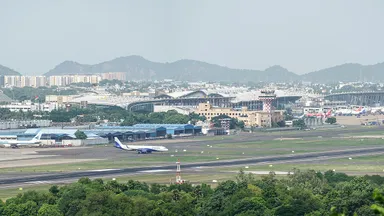
Parandur beat Chennai's other shortlisted airport sites on airspace, land and obstacles. But its environmental and social risks were never tested on the same terms—and expanding Meenambakkam is only a bridge, not yet a replacement.
வான்வெளி, நிலப்பரப்பு மற்றும் தடைகளின் அடிப்படையில் சென்னைக்கான மாற்றுத் தளங்களை விட பரந்தூர் முன்னணியில் நின்றது. ஆனால் அதன் சுற்றுச்சூழல் மற்றும் சமூக ஆபத்துகள் அதே சமரசமற்ற அளவுகோல்களுடன் ஒருபோதும் பரிசோதிக்கப்படவில்லை—மீனம்பாக்கத்தை விரிவாக்குவது ஒரு தற்காலிக பாலமே தவிர நிரந்தர மாற்றல்ல.
One person, one vote does not produce one person, one unit of political influence. Organized minorities shape agendas, candidates, and attention between elections—for better and for worse.
ஒரு மனிதன், ஒரு வாக்கு என்பது ஒரு மனிதன், ஒரு அலகு அரசியல் செல்வாக்கு என்ற முடிவைத் தருவதில்லை. தேர்தல்களுக்கு இடைப்பட்ட காலத்தில் தீவிரமாக ஒழுங்கமைக்கப்பட்ட சிறுபான்மையினரே நிகழ்ச்சி நிரல்களையும் முடிவுகளையும் தீர்மானிக்கிறார்கள்.
Explore India's "foreign hand" playbook, a three-step government response to mass protests: delegitimization, financial chokeholds, and leadership arrests. This pattern has been applied across various movements, from anti-CAA protests to farmers' agitations.
மக்கள் போராட்டங்களை ஒடுக்க இந்திய அரசுகள் பயன்படுத்தும் 'அந்நியச் சதி' உத்தியை இக்கட்டுரை ஆராய்கிறது: போராட்டத்தை சட்டவிரோதமாக்குதல், நிதி முடக்கம் மற்றும் தலைவர்கள் கைது என்ற சுழற்சி.
Western intervention has been justified for decades on the premise that removing a bad regime creates room for a good one. A study of seventy twentieth-century regime changes found targets ended up no more likely to reach consolidated democracy than comparable states left alone — and identified exactly which conditions decide it.
மோசமான ஓர் ஆட்சியை அகற்றிவிட்டால் மக்களாட்சி மலர்ந்துவிடும் என்ற அனுமானத்தின் அடிப்படையிலேயே பல மேற்கத்திய இராணுவத் தலையீடுகள் நியாயப்படுத்தப்பட்டன. இருபதாம் நூற்றாண்டின் எழுபது ஆட்சி மாற்றங்களை ஆய்வு செய்தபோது உண்மை வேறாக இருந்தது.
'BP invented the carbon footprint to blame you for climate change' is one of the internet's favourite facts. The individual-scale framing came from two ecologists at UBC a decade earlier, and the uncomfortable part is that it was designed that way on purpose.
'பருவநிலை மாற்றத்திற்கான பழியை உங்கள் மீது சுமத்துவதற்காகவே பிபி நிறுவனம் கார்பன் தடம் என்ற சொல்லை உருவாக்கியது' என்பது இணையத்தின் பிரபலமான குற்றச்சாட்டு. ஆனால் இச்சொல் அதற்கு ஒரு தசாப்தத்திற்கு முன்பே இரு சூழலியலாளர்களால் திட்டமிட்டு உருவாக்கப்பட்டது.
India did not uniformly regress after 2014. It expanded basic access and sustained growth, but productive jobs, manufacturing, learning, distribution, and democratic correction did not keep pace with its development opportunity.
2014-க்குப் பிறகு இந்தியா முழுமையாகப் பின்னோக்கிச் சென்றுவிடவில்லை. அடிப்படை வசதிகளும் வளர்ச்சியும் தொடர்ந்தன; ஆனால் உற்பத்தி வேலைகள், தொழில்மயமாக்கல், கல்வித் தரம், பகிர்வு மற்றும் ஜனநாயகக் கண்காணிப்பு ஆகியவை இந்தியாவின் வாய்ப்புகளுக்கு ஈடுகொடுக்கவில்லை.
Registered atrocity cases against Dalits rose sharply in Tamil Nadu between 2019 and 2023. The number matters—but it cannot, by itself, tell us whether violence, reporting, registration, or all three changed.
2019 மற்றும் 2023-க்கு இடையில் தமிழ்நாட்டில் தலித்துகளுக்கு எதிரான வன்கொடுமை வழக்குகள் கூர்மையாக உயர்ந்தன. ஆனால் அந்த எண் வன்முறையா, புகாரளிக்கும் துணிவா அல்லது காவல்துறை பதிவா என்பதைத் தானாகச் சொல்லாது.
The usual story about the pension shift is that coverage collapsed. It didn't. Participation hit its highest level since 2010 and increased across the whole income distribution — while the mean balance for the bottom half of earners fell, during a stock market boom.
ஓய்வூதிய மாற்றத்தைப் பற்றிய பொதுவான கதை, பாதுகாப்பு முற்றிலுமாகச் சரிந்துவிட்டது என்பதாகும். ஆனால் அது உண்மையல்ல. பங்கேற்பு 2010-க்குப் பிந்தைய உச்சத்தை எட்டியுள்ளது — அதேவேளையில் பங்குச்சந்தை உச்சத்தில் இருந்தபோதும் அடித்தட்டு பாதியினரின் சராசரிச் சேமிப்பு வீழ்ச்சியடைந்தது.
The absence of a 2G-scale scandal is usually read as evidence that things improved. But the concentration measures kept rising through the quiet years, and the largest political-funding channel of the period was anonymous by statute — which is exactly why it never produced a scandal.
2G போன்ற மாபெரும் ஊழல்கள் இல்லாததால் நிலைமை சீரடைந்துவிட்டது என்று கருதப்படுகிறது. ஆனால் அமைதியான அந்த ஆண்டுகளில் கார்ப்பரேட் சொத்துக் குவிப்பு அதிகரித்தது; தேர்தல் பத்திரங்கள் சட்டப்பூர்வமாகவே ரகசியமாக்கப்பட்டன.
Elections can remove entrenched rulers and create accountability. But anti-corruption reform begins only when winners change the rules, incentives, and institutions that will also constrain their successors.
தேர்தல்கள் அதிகாரக் குவிப்பை உடைத்து பொறுப்புக்கூறலை உருவாக்க முடியும். ஆனால் ஊழல் எதிர்ப்புச் சீர்திருத்தம் என்பது வெற்றி பெறுபவர்கள் தமக்கு அடுத்தும் நீடிக்கக்கூடிய நிறுவனக் கட்டுப்பாடுகளை உருவாக்கும் போதே தொடங்குகிறது.
A society's prestige order is supposed to track who's actually valuable. Tamil Nadu's own economic and labor data says otherwise: the workforce carrying the state's growth, and the unpaid labor keeping households running, are exactly the work with no camera pointed at it.
ஒரு சமூகத்தின் மதிப்பளிப்பு வரிசை உண்மையில் யார் பயனுள்ளவர்கள் என்பதைக் கண்காணிக்க வேண்டும். ஆனால் தமிழ்நாட்டின் பொருளாதாரத் தரவுகள் வேறு கதையைச் சொல்கின்றன: மாநிலத்தின் வளர்ச்சியைத் தாங்கும் தொழிலாளர்களும், வீடுகளை இயங்க வைக்கும் ஊதியமில்லா உழைப்பும் எந்தக் கேமரா வெளிச்சமும் இல்லாத பணிகளாகவே உள்ளன.
India's small farms need sophisticated testing, chilling, packing, transport, and market access. They do not all need to become large farms. The better development question is which functions require scale—and who should own them.
இந்தியாவின் சிறு பண்ணைகளுக்குத் தரப்பரிசோதனை, குளிரூட்டல், சிப்பமிடுதல், போக்குவரத்து மற்றும் சந்தை அணுகல் ஆகியவை தேவை. அதற்காக எல்லாப் பண்ணைகளும் பெரிய நிலங்களாக மாற வேண்டியதில்லை. எந்தச் செயல்பாடுகளுக்குப் பெரிய கட்டமைப்பு தேவை என்பதைத் தீர்மானிப்பதே சிறந்தது.
Both figures are published, peer-reviewed, and about the United States. They differ by an order of magnitude because they answer different questions — and the study that produced the smaller number also found where the money actually goes.
evidencefiscal policypolitical economypublic health
இரு புள்ளிவிவரங்களுமே சக-மதிப்பாய்வு செய்யப்பட்டு வெளியிடப்பட்ட அதிகாரப்பூர்வத் தரவுகள். அவை வெவ்வேறு கேள்விகளுக்குப் பதிலளிப்பதால் பத்து மடங்கு முரண்படுகின்றன — சிறிய எண்ணை வெளியிட்ட ஆய்வே அந்தப் பணம் உண்மையில் எங்கே கரைகிறது என்பதையும் கண்டறிந்துள்ளது.
evidencefiscal policypolitical economypublic health
Comparing free-speech regimes by reading their constitutions gets you the wrong answer. India's enumerated restrictions are not far from Germany's, and further from America's. The difference that matters is that a struck-down provision produced twice as many cases after it was struck down as before.
அரசியல் சாசனங்களை வாசிப்பதன் மூலம் பேச்சுரிமை அமைப்புகளை ஒப்பிடுவது தவறான விடையையே தரும். ரத்து செய்யப்பட்ட ஒரு சட்டப்பிரிவு, ரத்து செய்யப்படுவதற்கு முன்பு இருந்ததை விட ரத்து செய்யப்பட்ட பிறகு இரு மடங்கு வழக்குகளை உருவாக்கியது.
'How much of success is luck' is unanswerable as posed. 'How much is explained by circumstances nobody chose' is a regression, and it has been run. Country of residence alone accounts for nearly three-quarters of the variation in individual incomes across the world.
வெற்றியில் அதிர்ஷ்டத்தின் பங்கு எவ்வளவு? பொருளாதார அறிஞர் பிராங்கோ மிலானோவிச்சின் உலகளாவிய தரவுகள், ஒருவரது பிறந்த நாடும் பெற்றோருமே அவரது வருமானத்தில் கிட்டத்தட்ட முக்கால் பங்கைத் தீர்மானிக்கின்றன என்பதை நிறுவுகின்றன.
The mathematical case for trusting majorities has two conditions attached. One of them — that people judge independently — is destroyed by the ordinary act of letting them see each other's answers. Experiments show groups converging hard, feeling more confident, and getting no more accurate.
பெரும்பான்மையினரின் முடிவை நம்புவதற்கான கணிதக் கோட்பாட்டில் இரண்டு நிபந்தனைகள் உள்ளன. அதில் ஒன்று—ஒவ்வொருவரும் பிறர் கருத்தின் தாக்கமின்றி தற்சார்புடன் சிந்திக்க வேண்டும் என்பது. பிறர் என்ன நினைக்கிறார்கள் என்பதைப் பார்த்த மாத்திரத்திலேயே இந்தச் சார்பின்மை தகர்ந்துவிடுகிறது. ஆய்வுகளின்படி, குழுக்கள் ஒன்றிணைந்து ஒருமித்த கருத்தை எட்டும்போது அவர்களின் துணிவு அதிகரிக்கிறதே தவிர முடிவின் துல்லியம் உயர்வதில்லை.
Two governments can both fail, two claims can both be wrong, and two systems can both constrain people—without being equally false, harmful, powerful, or correctable.
இரு அரசாங்கங்களும் தோல்வியடையலாம், இரு கூற்றுகளும் தவறாக இருக்கலாம் — ஆனால் அவை சமமான அளவிற்குப் பொய்யானவை, சமமான தீங்கிழைப்பவை அல்லது சமமாகத் திருத்தப்படக்கூடியவை என்று அர்த்தமாகாது.
This post analyzes international migration from the Global South, particularly India, to Western nations, revealing a shift from human capital transfer to an "Extraction Economy." It details financial, labor, and political extraction mechanisms where migrants are treated as resource sites.
வளர்ந்துவரும் நாடுகளிலிருந்து, குறிப்பாக இந்தியாவிலிருந்து மேற்கத்திய நாடுகளுக்கு நிகழும் இடப்பெயர்வு, வெறும் அறிவுசார் பரிமாற்றம் என்பதைக் கடந்து ஒரு 'சுரண்டல் பொருளாதாரமாக' (Extraction Economy) மாறியுள்ளதை இக்கட்டுரை விரிவாக ஆராய்கிறது.
Explore the impact of the Dravidian movement on Tamil Nadu's caste system. Did it truly dismantle the caste pyramid or merely shift power from Brahmins to dominant intermediate castes, leaving Dalits marginalized?
தமிழ்நாட்டின் சாதி அமைப்பின் மீதான திராவிட இயக்கத்தின் தாக்கத்தை ஆராயும் கட்டுரை. அது உண்மையில் சாதிப் படிநிலையைத் தகர்த்ததா அல்லது பார்ப்பனர்களின் அதிகாரத்தை ஆதிக்க இடைநிலைச் சாதிகளுக்கு மாற்றிவிட்டு தலித்துகளை விளிம்புநிலையிலேயே விட்டுவிட்டதா?
A quote about Macaulay praising India's wealth and spiritual heritage before plotting to destroy it has circulated for decades — cited even by a former Indian president. It's fabricated. Here's the paper trail, and what his real 1835 Minute actually says.
இந்தியாவின் செல்வத்தையும் ஆன்மீகப் பாரம்பரியத்தையும் மெக்காலே புகழ்ந்துவிட்டு, அதன் முதுகெலும்பை உடைக்க ஆங்கிலக் கல்வியைப் பரிந்துரைத்ததாகப் பரவும் மேற்கோள் முற்றிலும் இட்டுக்கட்டப்பட்டது. அதன் உண்மையான பின்னணியும், 1835-இல் அவர் உண்மையில் எழுதிய குறிப்பும் இங்கே.
Two countries, one mechanism. When assets appreciate faster than wages, the price of joining the owning class rises faster than the means of paying for it — and the same salary buys a smaller claim on the future every year. The US and Canada fail at this in mirror-image ways.
இரண்டு நாடுகள், ஒரே இயங்குமுறை. சொத்துக்களின் மதிப்பு ஊதியத்தை விட வேகமாக உயரும் போது, உடைமையாளர் வர்க்கத்தில் இணைவதற்கான விலை அதைச் செலுத்துவதற்கான வழிகளை விட வேகமாக உயர்கிறது—ஒவ்வொரு ஆண்டும் அதே சம்பளம் எதிர்காலத்தின் மீது குறைந்த உரிமையையே வாங்குகிறது.
There is serious comparative political science behind the claim that strong subnational identity drives social spending. Looking for equivalent rigour on the other half of the argument — that the same pride predictably turns hostile — I could not find it, and that asymmetry is worth more than a verdict.
வலுவான பிராந்திய மொழி அடையாளம் சமூக நலச் செலவினங்களை உந்துகிறது என்ற கூற்றுக்கு ஆழமான ஒப்பீட்டு அரசியல் அறிவியல் சான்றுகள் உள்ளன. ஆனால் அதே பெருமிதம் இயல்பாகவே வேற்று மனிதர்கள் மீதான பகைமையாக மாறும் என்ற அடுத்த பாதிக்கு இணையான ஆய்வுகள் இல்லை.
Two official figures for the same year differ by five percentage points, and each side quotes the one that suits it. The more interesting number is that Tamil Nadu collects 10.4% of GSDP in revenue where a median state collects 19.9% — and has pushed subsidies from roughly 8% of spending to 37% in four years.
ஒரே ஆண்டிற்குரிய இரு அதிகாரப்பூர்வ புள்ளிவிவரங்கள் ஐந்து சதவீதப் புள்ளிகள் வேறுபடுகின்றன. ஒவ்வொரு தரப்பும் தங்களுக்கு சாதகமானதை மட்டுமே மேற்கோள் காட்டுகின்றன. ஆனால் சராசரி மாநிலம் 19.9% வருவாய் ஈட்டும் போது, தமிழ்நாடு 10.4% மட்டுமே திரட்டுகிறது; மானியச் செலவோ நான்கே ஆண்டுகளில் 8%-லிருந்து 37%-ஆக உயர்ந்துள்ளது.
South India, once seen as immune to drug abuse, is now battling a severe narcotics crisis. This post explores how economic distress and international cartels have transformed states like Kerala and Andhra Pradesh into major hubs for drug consumption and supply.
போதைப்பொருள் தாக்கத்திலிருந்து விடுபட்டதாகக் கருதப்பட்ட தென்னிந்தியா, இன்று ஒரு கடுமையான போதைப்பொருள் நெருக்கடியை எதிர்கொள்கிறது. கேரளா மற்றும் ஆந்திரப் பிரதேசம் போன்ற மாநிலங்கள் நுகர்வு மற்றும் விநியோக மையங்களாக மாறியதன் பின்னணி.
This analysis compares development in Tamil Nadu (DMK) and Gujarat (BJP) across economic growth, social welfare, health, education, and infrastructure. It highlights their distinct governance models and their impact on state progress.
பொருளாதார வளர்ச்சி, சமூக நலம், சுகாதாரம், கல்வி மற்றும் உள்கட்டமைப்பு தளங்களில் தமிழ்நாட்டின் (திமுக) மற்றும் குஜராத்தின் (பாஜக) நிர்வாக மாதிரிகளை ஒப்பிடும் விரிவான பகுப்பாய்வு. இது அவற்றின் தனித்துவமான நிர்வாக முறைகளையும் மாநில முன்னேற்றத்தில் அவற்றின் தாக்கத்தையும் விளக்குகிறது.
உத்தரப் பிரதேசத்தில் யோகி ஆதித்யநாத்தின் 8 ஆண்டு கால ஆட்சியை இக்கட்டுரை ஆராய்கிறது: குற்றக் குறைப்பு மற்றும் கட்டமைப்பு வளர்ச்சியுடன், குடிமை உரிமைகள் மற்றும் சிறுபான்மையினர் மீதான கவலைகள்.
Explore Indian secularism not as a Western import, but as a unique, contested experiment in managing religious diversity. This post contrasts it with French and American models, arguing for a nuanced understanding of its historical roots and future challenges.
இந்திய மதச்சார்பின்மையை மேற்கத்திய இறக்குமதியாகப் பார்க்காமல், பன்முகத்தன்மையை நிர்வகிக்கும் ஒரு தனித்துவமான வரலாற்றுப் பரிசோதனையாக ஆராயும் கட்டுரை. பிரெஞ்சு மற்றும் அமெரிக்க மாதிரிகளுடன் ஒப்பிட்டு, அதன் சவால்களையும் எதிர்காலத்தையும் விவாதிக்கிறது.
The productivity slowdown, the hollowed-out middle, and the long decline in business dynamism are each well documented. The stage theory that binds them into a single arc of civilisational decline is not — and since 2023 the three have been moving in different directions, which is exactly what a cycle is not supposed to do.
உற்பத்தித்திறன் மந்தநிலை, நடுத்தரத் தொழில்களின் வெறுமை மற்றும் தொழில் துடிப்பின் நீண்டகால வீழ்ச்சி ஆகியவை நன்கு ஆவணப்படுத்தப்பட்டுள்ளன. ஆனால் அவற்றை ஒரு நாகரிக வீழ்ச்சிச் சுழற்சியாகப் பிணைக்கும் ‘பிந்தைய கட்ட’க் கோட்பாட்டிற்கு ஆதரவில்லை; 2023 முதல் இந்த மூன்றும் வெவ்வேறு திசைகளில் நகர்கின்றன.
The oldest argument in human rights is whether universal standards can be applied to particular cultures. Egypt is the case where we can check. Prohibition plus medical authority did not end the practice — it relocated it, and gave it a safety justification it did not have before.
மனித உரிமைகளில் மிகத் தொன்மையான விவாதம்: குறிப்பிட்ட பண்பாடுகளுக்கு உலகளாவிய தரநிலைகளைப் பொருத்த முடியுமா? எகிப்து இதற்கு நேரடிச் சான்று. தடையுத்தரவும் மருத்துவ அதிகாரமும் வழக்கத்தை ஒழிக்கவில்லை — மாறாக அதை இடமாற்றம் செய்து புதிய நியாயத்தை வழங்கின.
Every ideology presents itself as the thing holding society together. Across 475 elections in 62 countries, what actually predicts whether a government survives is material performance — largely regardless of its ideology. But the reverse claim, that delivering goods buys you loyalty, turns out to be false too.
development modelseconomic developmentgovernanceideology
ஒவ்வொரு சித்தாந்தமும் தன்னைத்தான் சமூகத்தைத் தாங்கிப் பிடிக்கும் தூணாகக் காட்டிக்கொள்கிறது. ஆனால் 62 நாடுகளில் நடந்த 475 தேர்தல்களின் முடிவுகள், ஒரு அரசாங்கத்தின் இருப்பை நிர்ணயிப்பது அதன் பொருளாதாரச் செயல்பாடே தவிர சித்தாந்தம் அல்ல என்பதை நிறுவுகின்றன.
development modelseconomic developmentgovernanceideology
NEET is defended on the grounds that every applicant writes the same paper. Tamil Nadu's own committee measured what happened next: the state-board share of medical seats fell from 95% to 64%, Tamil-medium students went from 456 to 56, and the share of admitted students who were repeaters rose from 12% to 71%.
ஒவ்வொருவரும் ஒரே வினாத்தாளை எழுதுகிறார்கள் என்ற அடிப்படையிலேயே நீட் தேர்வு ஆதரிக்கப்படுகிறது. ஆனால் அதன் விளைவை அளவிட்ட நீதிபதி ஏ.கே. ராஜன் குழுவின் தரவுகள் அதிர்ச்சியளிக்கின்றன: மாநிலப் பாடத்திட்ட மாணவர்களின் சேர்க்கை 95%-லிருந்து 64%-ஆகச் சரிந்தது, தமிழ்வழி மாணவர்கள் 456-லிருந்து 56-ஆக வீழ்ந்தனர், மீண்டும் மீண்டும் தேர்வு எழுதியவர்களின் பங்கு 12%-லிருந்து 71%-ஆக உயர்ந்தது.
Two findings usually get quoted separately and belong together. False news does diffuse farther, faster and deeper than true news — but bots spread both at the same rate, and 1% of individuals accounted for 80% of all fake-news exposure. The mechanism is real; the flood is not.
இரு ஆய்வுகள் தனித்தனியாக மேற்கோள் காட்டப்படுகின்றன; ஆனால் அவை இணைத்துப் பார்க்கப்பட வேண்டியவை. உண்மைச் செய்திகளை விடப் போலிச் செய்திகள் ஆழமாகப் பரவுகின்றனதான் — ஆனால் வெறும் 1% மக்களே 80% பொய்களைப் பார்க்கிறார்கள். வெள்ளம் உண்மையல்ல.